What a Builder Quote Actually Tells You (And What It Doesn't)

You finally have a number. After weeks of site visits, back-and-forth emails, and one very long phone call, the builder has sent through a quote. It's detailed. It has line items. There's a total at the bottom with a lot of zeros.
And you have absolutely no idea if it's a good number.
This is one of the most disorienting moments in any renovation. You're holding a document that looks authoritative. It has your address on it, your name, all the right headings. But unless you know how to read it, it's telling you less than you think.
I spent years in finance before I moved into design. I've looked at a lot of numbers. And what I can tell you is that a builder's quote is not a price. It's a starting position.
That's not a criticism of builders. It's just the reality of what a quote is.
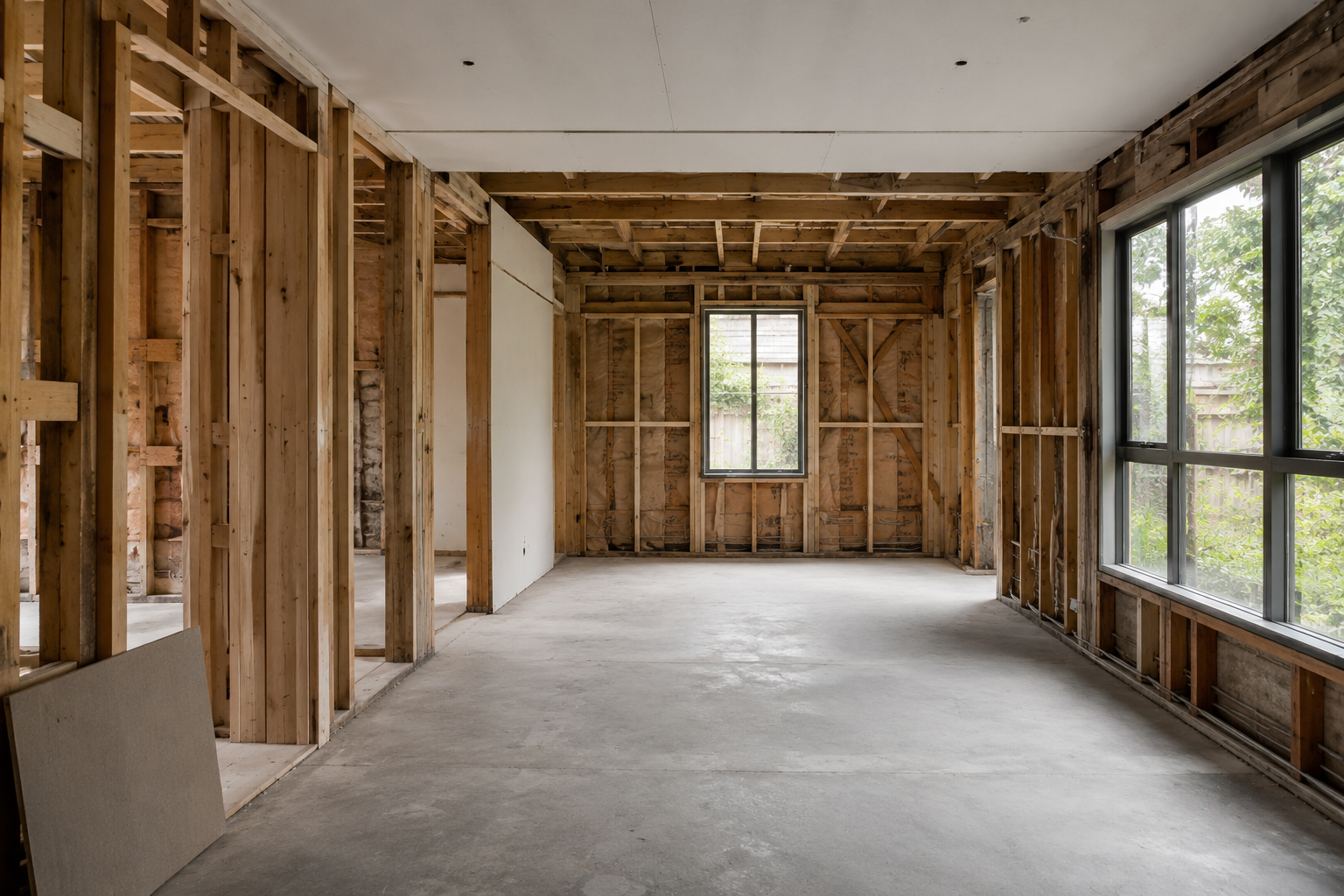
A quote is a snapshot. It captures what the builder knows at the time of writing, based on what's been shown to them, with assumptions made for everything else. The problem is that a renovation is a living thing. It changes as it progresses. Walls come down and surprises appear. Decisions that seemed settled turn out not to be. And every one of those changes costs money that isn't on that piece of paper in front of you.
The things most likely to sit outside the quote are also the things that are hardest to spot if you don't know to look for them.
Provisional sums are one. You'll sometimes see them written as "PS" next to a line item. It means the builder has included a placeholder figure for something that hasn't been fully specified yet: a light fitting, a tapware set, floor tiles. The number looks real. It might be $800 for a basin or $3,500 for kitchen hardware. But it's an estimate based on nothing in particular, and when the actual product is chosen, the provisional sum gets replaced by the real cost. Sometimes that's fine. Often it isn't.
Variations are another. Any change to the original scope, even a small one, becomes a variation, and variations are priced at the builder's discretion. The square metre rate in your quote tells you nothing about what a variation will cost. Variations are where budgets stretch the most, and they can come from both directions: something you decide to add, or something the builder discovers once they're in the walls.
Site conditions are a third. Old homes especially. If subfloor work is needed, if stumps require relevelling, if there's something unexpected in the slab or behind the plaster, that's typically not in the original quote. It gets picked up as a variation once it's found.
None of this is dishonest. Some of it genuinely can't be known upfront. But there's a difference between a quote that's vague because the project is genuinely complex, and one that's vague because corners have been cut in the quoting stage. Knowing which you're looking at matters.
Here's what I look for when I'm reviewing a quote on behalf of a client.
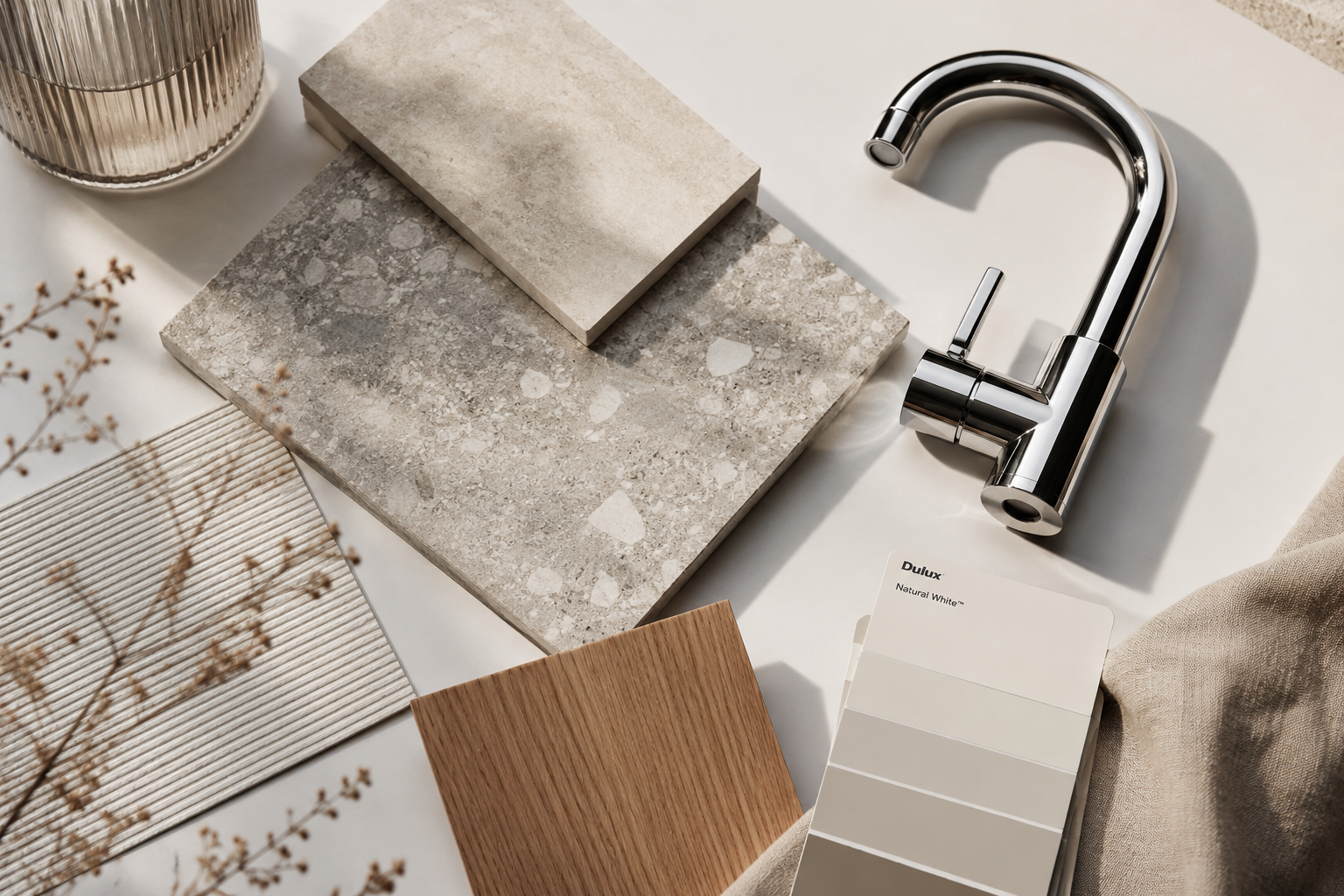
First, how specific is it? A well-prepared quote names things. It says "600mm Milli slimline rangehood, stainless steel" not "kitchen appliances." It says "Posh Solus floor-mounted bath filler, chrome" not "tapware to client selection." When a quote is full of generic descriptions, it usually means provisional sums are hiding in plain sight, just without the label.
Second, what's explicitly excluded? Some builders include an exclusions list. If yours does, read it carefully. Common exclusions include demolition, asbestos removal, temporary fencing, skip bins, engineering fees, council permits, and landscaping reinstatement. These can add up fast, and they're not optional costs.
Third, is there a contingency? A reputable builder will often build a percentage into the total for unknowns. If there's no contingency and the quote looks very tight, that's worth a conversation. But even if the builder has included one, you should have your own sitting separately in your budget. How much depends on what you're working with. For a relatively new home, 5 to 10 percent is usually reasonable. For a post-war home built between the 1940s and 1970s, where asbestos, ageing wiring, and subfloor issues are genuinely common, I'd be thinking 15 to 20 percent. For anything pre-war or with heritage constraints, 20 to 30 percent is not overcautious. It's just realistic. The contingency isn't a prediction that things will go wrong. It's an acknowledgment that in an old house, you don't always know what you're working with until someone opens a wall.
Fourth, what are the payment terms? Milestone-based payments tied to completed stages are normal and reasonable. Large upfront payments, anything that doesn't correspond to actual work done, are worth questioning.
The point of all this isn't to make you distrust the quote or the builder. Most builders are quoting in good faith. The point is to understand what you're actually agreeing to.
When you sign a building contract, you're not agreeing to the number at the bottom of the quote. You're agreeing to a scope of work, with that number as the baseline. What it becomes depends on how well the project is specified upfront, how decisions are managed during the build, and how clearly the contract defines what happens when things change.
The most expensive renovations I've seen weren't expensive because the builder was dishonest. They were expensive because no one caught the assumptions before the contract was signed.
Ask questions before you sign. Get specifics in writing. And if something in the quote looks like a placeholder, ask what it's based on.
A good builder will answer those questions without flinching.
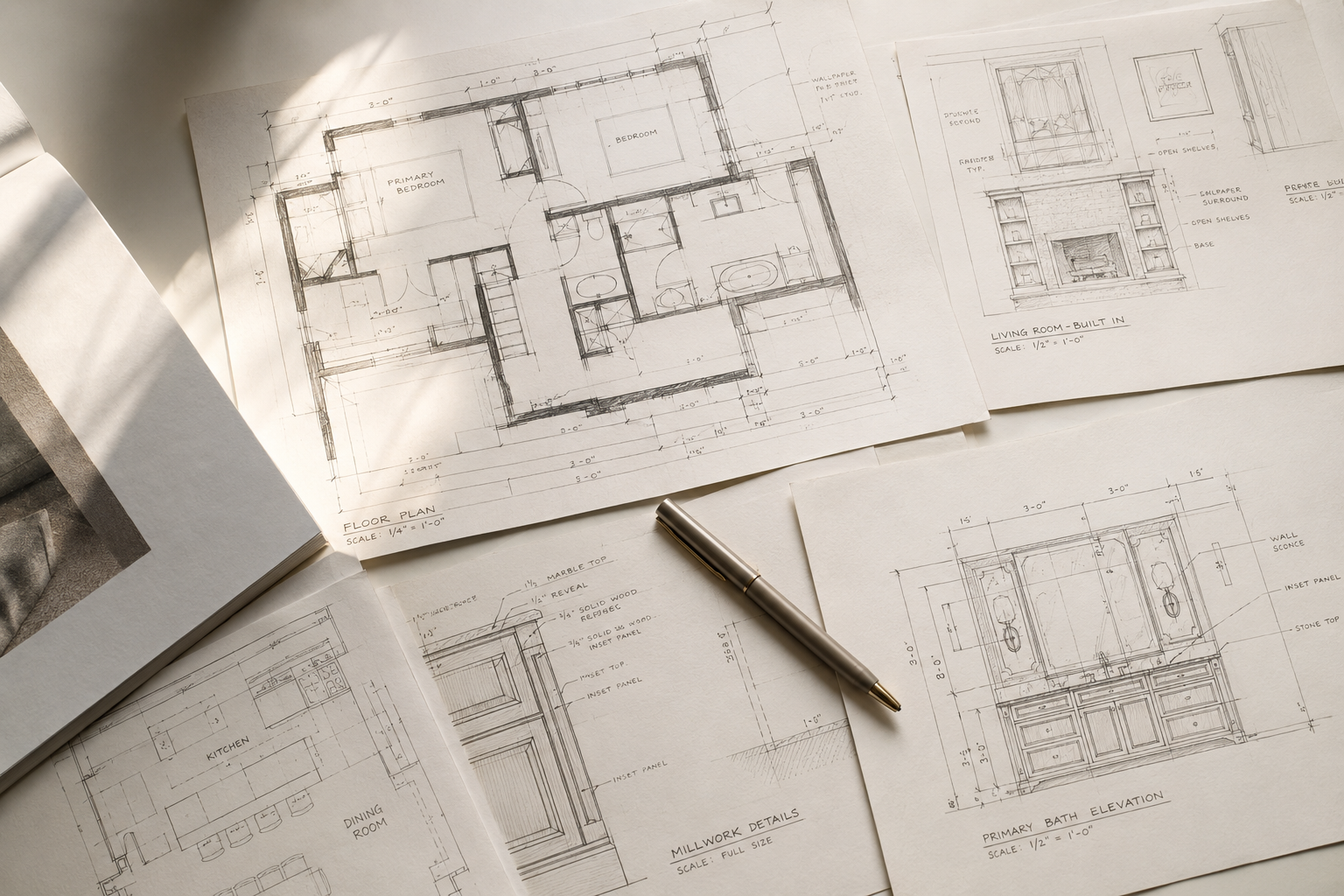
One thing that makes a genuine difference to quote accuracy is the quality of documentation going into the process. When a builder is pricing from detailed drawings: actual specifications, dimensions, material selections, fixture schedules, they're pricing the real job. When they're pricing from a concept or a rough brief, they're filling in the gaps themselves. And those gaps become provisional sums, or worse, assumptions that never get flagged until something's already been ordered or built.
It doesn't eliminate surprises. Nothing does. But there's a significant difference between a quote based on thorough documentation and one based on a kitchen conversation and some Pinterest images. The former gives you a number you can actually work with. The latter gives you a starting point that could land almost anywhere.
If you're heading into a renovation and want someone to look at what you're working with before you commit, that's exactly the kind of thing we work through together. You can book a Design Direction Session or reach out at hello@lurae.com.au.
